What to Do If Your Kitchen Sink is Clogged: Quick Fixes
Executive Chef & Lead Commercial Kitchen Specialist at Daily Kitchup Test Lab
You’re standing in your kitchen, ready to tackle a delicious meal, but there’s one problem: your sink is stubbornly clogged. The water refuses to drain, and you’re left wondering what to do next.
Sound familiar? Don’t worry; you’re not alone. A clogged kitchen sink is a common issue that can disrupt your daily routine and cause unnecessary stress. But before you reach for the phone to call a plumber, consider this: there are simple, effective solutions you can try yourself.
Imagine the satisfaction of solving the problem on your own, saving time and money. In this guide, we’ll walk you through easy steps to unclog your kitchen sink, helping you regain control and restore order in your kitchen. Stay with us to discover practical tips that will have your sink flowing smoothly in no time.
Identify The Cause
Dealing with a clogged kitchen sink can be frustrating, but before you rush to pour chemicals down the drain, it’s crucial to identify the cause. Pinpointing what’s causing the blockage can save you time, effort, and prevent future clogs. Knowing the root of the problem lets you tackle it efficiently and keep your plumbing in top shape.
Common Blockages
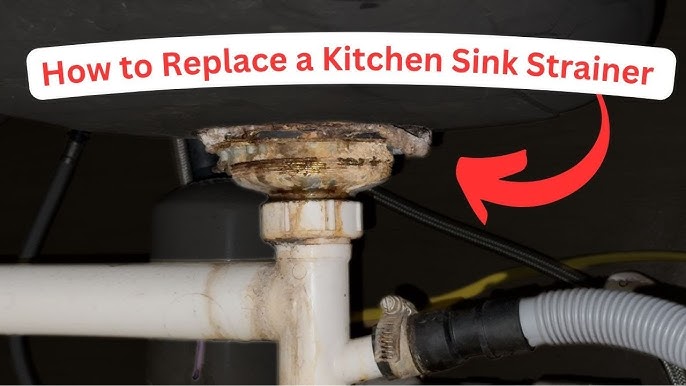
Most kitchen sink clogs are caused by a handful of usual suspects. Food scraps are often the main culprits. It’s easy to forget how quickly leftover pasta or rice can swell and jam the pipes. Grease is another common offender. Have you ever dumped bacon fat down the drain, assuming hot water would flush it away? Over time, grease solidifies and narrows your pipes. Vegetable peels and fibrous foods can also cause issues. A simple but effective fix is to use a sink strainer to catch these items before they become a problem.
Signs Of Serious Issues
Sometimes, a clog isn’t just a result of a stray piece of food. Are you noticing strange odors coming from your sink? Or perhaps water is draining slower than usual? These could be signs of more serious plumbing issues. Persistent clogs may indicate a problem with the main sewer line. If your sink backs up when you use other fixtures, it might be time to call a professional. Ignoring these signs could lead to bigger problems down the line. Have you ever faced a clog that led to unexpected leaks? Addressing these issues early can prevent costly repairs.

Credit: www.popularmechanics.com
Hot Water Flush
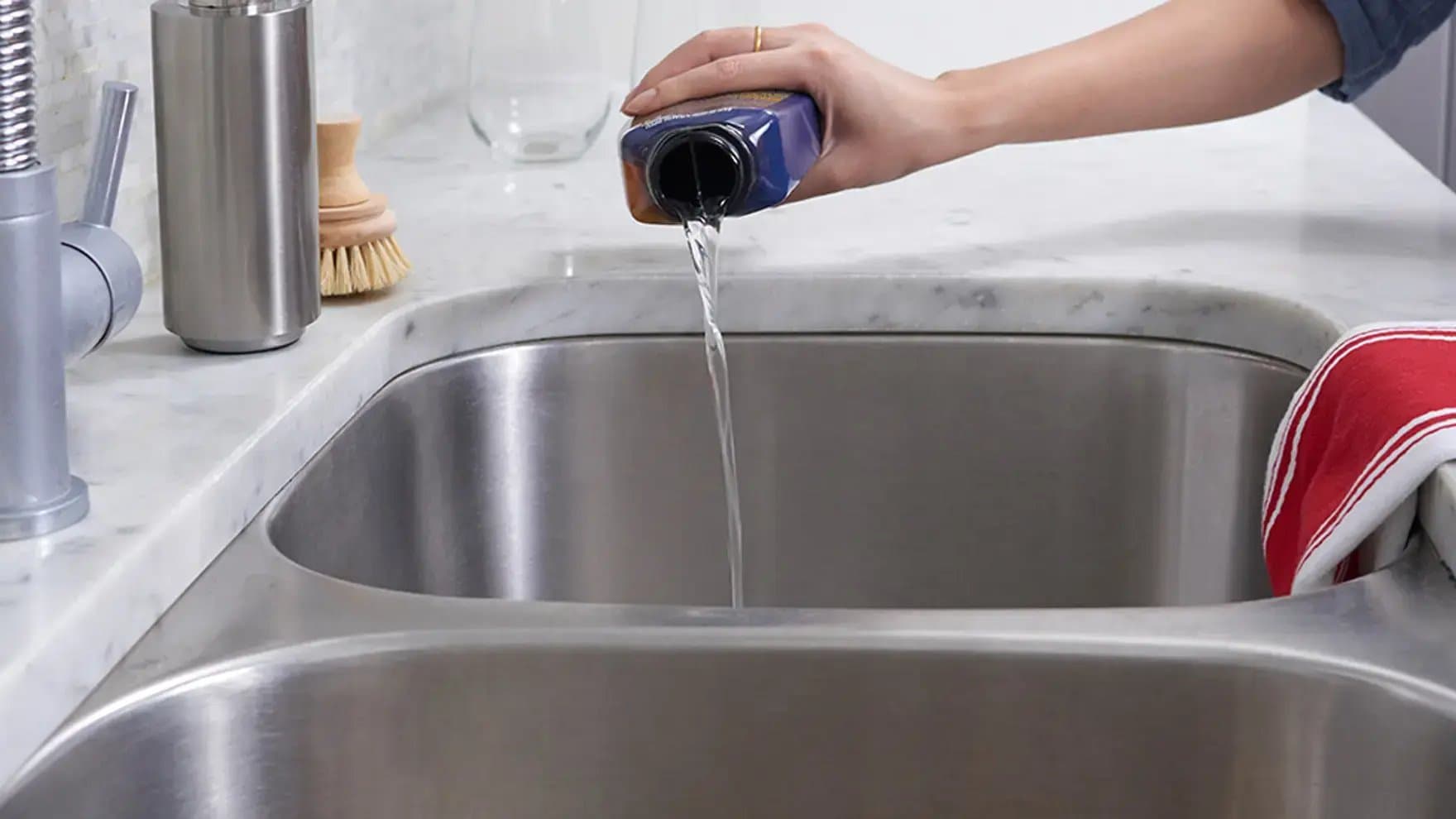
Pour hot water into the clogged sink to help dissolve grease and debris. Repeat until the water drains smoothly. This simple method can often clear minor blockages effectively.
Dealing with a clogged kitchen sink can be frustrating, but a simple yet effective solution might be right at your fingertips. The hot water flush is a go-to method that many overlook. It harnesses the natural power of boiling water to tackle stubborn blockages. Often underestimated, this technique can save you both time and money. Let’s dive into why and how you should give your sink a hot water flush.Benefits Of Boiling Water
Boiling water is a natural and inexpensive way to clear minor clogs. It helps dissolve grease and soap buildup, which are common culprits of sink blockages. This method is chemical-free, making it safe for your pipes and the environment. Think about how often you boil water to cook pasta or make tea. Now imagine using that same boiling water to flush away the gunk in your pipes. It’s an easy step that can prevent bigger problems down the line.Step-by-step Process
Ready to give it a try? Here’s how you can perform a hot water flush:- Boil a kettle or large pot of water until it reaches a rolling boil.
- Carefully carry the boiling water to your kitchen sink.
- Pour the water slowly and steadily down the drain.
- If the sink is still clogged, repeat the process once or twice more.
- Follow up with cold water to solidify any remaining grease, making it easier to flush out.
Use A Plunger
Grab a plunger to clear your clogged kitchen sink. Fill the sink halfway with water for better suction. Press the plunger down firmly and pull up quickly to dislodge the blockage. Repeat if necessary for a clean drain.
A clogged kitchen sink can turn your daily routine into a frustrating ordeal. Before you consider calling in professional help, a plunger can be your first line of defense. It’s an affordable and effective tool that can save you time and money if used correctly. Let’s dive into how you can make the most of this simple tool to get your kitchen sink draining smoothly again.Choosing The Right Plunger
Not all plungers are created equal. For a kitchen sink, you’ll want to use a cup plunger, which has a flat rim designed to create a strong seal over flat surfaces. Avoid using a flange plunger, typically used for toilets, as it won’t create an effective seal on a sink drain. Ensure the plunger’s cup is flexible and large enough to cover the sink drain completely for optimal suction.Effective Plunging Techniques
Start by filling the sink with a few inches of water. This helps create a seal and gives you the necessary pressure to dislodge the clog. Place the plunger over the drain and press down firmly, then pull up sharply without breaking the seal. Repeat this process several times, maintaining a steady rhythm. After a few strong plunges, check if the water begins to drain. If not, try adjusting your technique or repositioning the plunger for a better seal. Using a plunger may seem straightforward, but technique matters. Have you ever considered how a simple tool like this could save you a plumber’s fee? With the right approach, you might just become the hero of your household plumbing woes.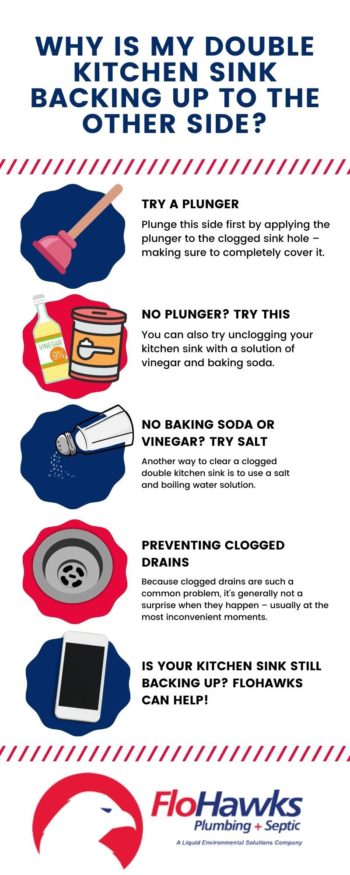
Credit: flohawks.com
Baking Soda And Vinegar Solution
Is your kitchen sink clogged? Don’t worry. You can try the baking soda and vinegar solution. This natural remedy is both effective and eco-friendly. It uses everyday items found in most kitchens. Perfect for those who want a quick fix without harsh chemicals.
Mixing The Ingredients
Start with baking soda and white vinegar. Measure half a cup of baking soda. Pour it into a small bowl. Next, take one cup of white vinegar. Keep it separate for now. This combination works well due to its fizzing action. It helps break down clogs in the drain.
Application Process
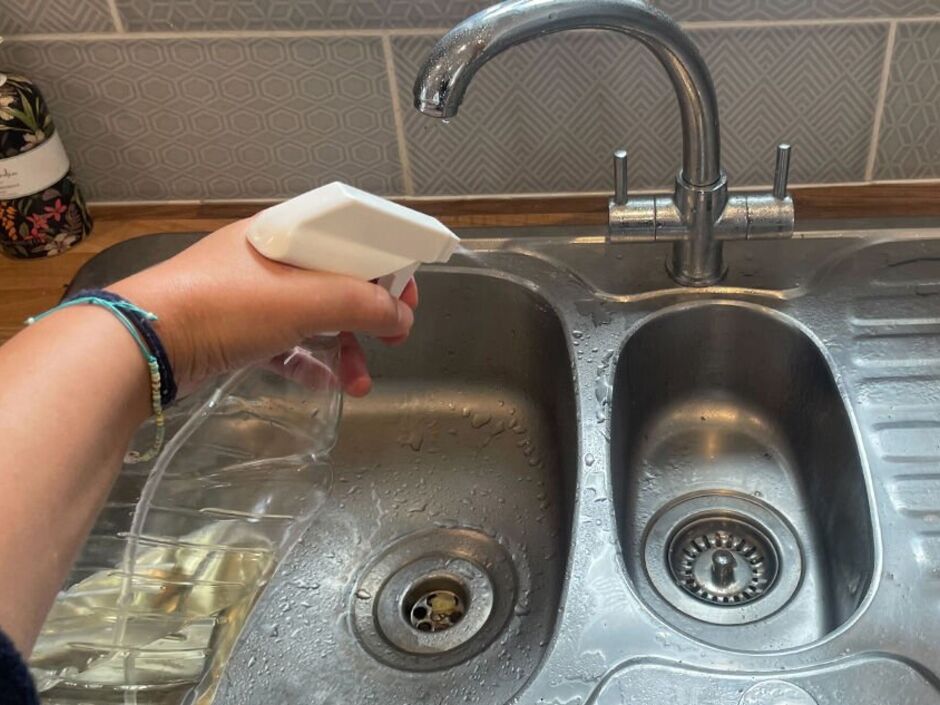
Pour the baking soda into the sink drain. Ensure it goes deep into the pipe. Follow quickly with the cup of vinegar. You will hear fizzing sounds. This reaction is normal. It is breaking down debris in the pipes.
Let the mixture sit for 15 minutes. Avoid using the sink during this time. Afterward, run hot water down the drain. This helps flush out any loosened debris.
Snake The Drain
Dealing with a clogged kitchen sink can be frustrating, especially when water refuses to drain away. One effective way to tackle this problem is by snaking the drain. Using a drain snake, a flexible tool designed to navigate through pipes, can often resolve the issue quickly. If you’ve never used one before, let’s explore how this handy device can become your go-to solution for a stubborn sink.
Types Of Drain Snakes
Not all drain snakes are created equal, and choosing the right one can make all the difference. The most common type is the hand-crank drain snake, which is affordable and perfect for minor clogs. It’s compact and easy to use, making it ideal for home use.
For more challenging blockages, you might consider a power auger. This type requires an electric drill to operate, providing extra force to tackle tougher clogs. It’s a bit more expensive but invaluable when dealing with stubborn debris.
Lastly, there are mini snakes, specifically designed for small drains like bathroom sinks. These are great for tight spaces but may not be effective on larger kitchen pipes. What type of snake do you think would best suit your kitchen sink needs?
How To Use A Drain Snake
Using a drain snake might seem daunting, but with some basic steps, you can handle it like a pro. Start by inserting the snake into the drain until you feel resistance. This is likely the clog.
Once you hit the blockage, gently rotate the handle to work the snake through the debris. The twisting motion helps break up the clog, allowing water to flow freely.
After successfully breaking through, retract the snake carefully to avoid any mess. Clean any debris from the snake and test the water flow in your sink. If the water drains smoothly, you’ve successfully snaked your drain!
Remember, patience is key. Snaking a drain is not about speed but effectiveness. Have you ever tried using a drain snake? How did it go?
Chemical Drain Cleaners
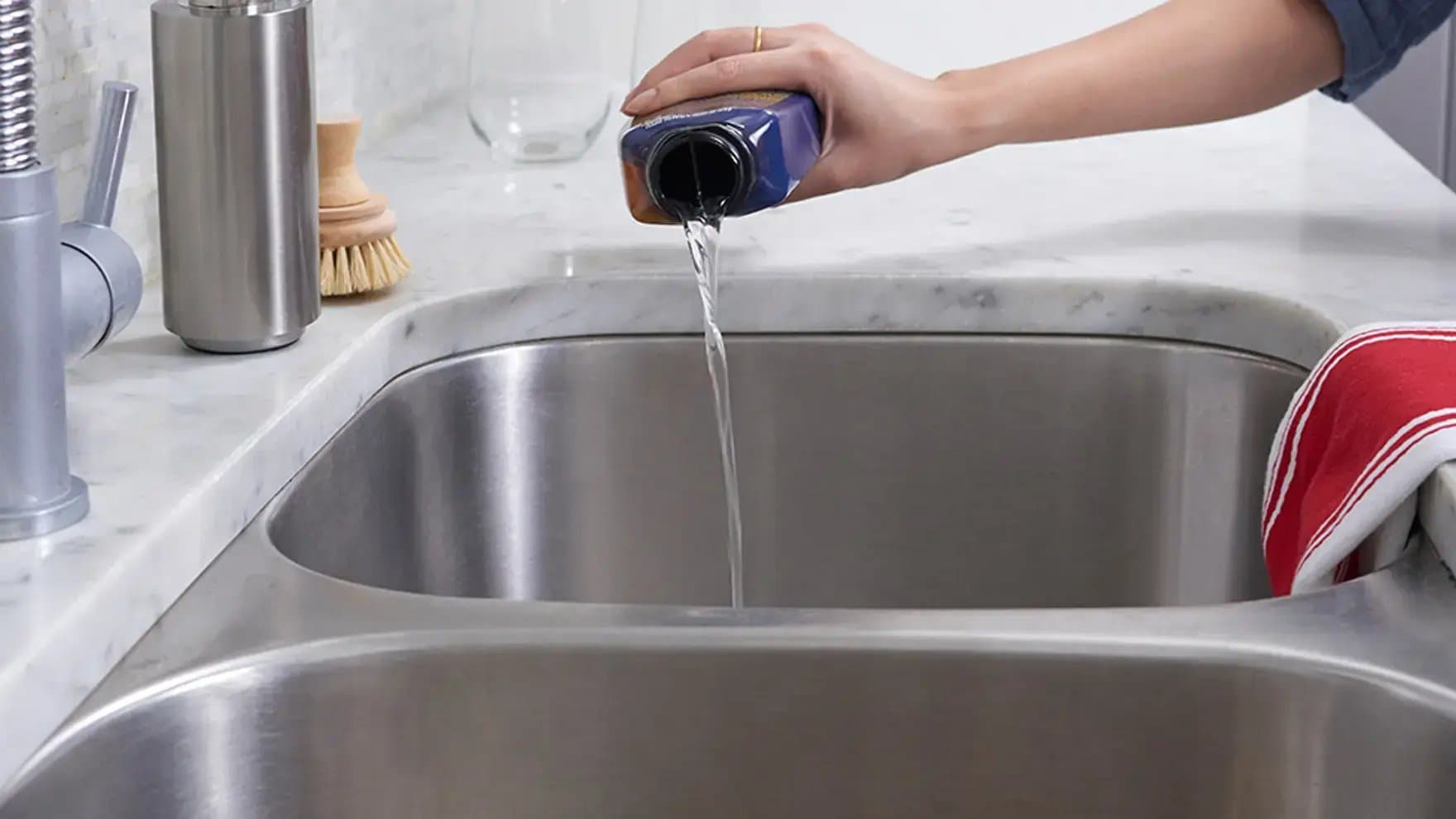
Chemical drain cleaners can help dissolve stubborn clogs in your kitchen sink. Use them carefully to avoid pipe damage. Always follow the instructions on the label for safe and effective results.
Clogged kitchen sinks can be a real headache, especially when you’re in a rush to get your dishes done and move on with your day. One quick solution many people turn to is chemical drain cleaners. These products promise to dissolve stubborn clogs with minimal effort. However, before you pour that bottle down the drain, it’s essential to understand the pros and cons, safety precautions, and whether this option is the best for your situation.Pros And Cons
- Pros:Chemical drain cleaners can be incredibly effective. They often work fast, breaking down grease, hair, and food particles that cause blockages. If you’re dealing with a minor clog, these cleaners might save you from calling a plumber.
- Cons:On the flip side, they can be harsh on your pipes. Frequent use may lead to corrosion, especially in older plumbing systems. Plus, these chemicals can be harmful to the environment if not used correctly.
Safety Precautions
Before using a chemical drain cleaner, consider safety first. These products contain potent chemicals that can irritate the skin, eyes, and respiratory system. Always wear protective gloves and goggles when handling them. Ensure the area is well-ventilated to avoid inhaling fumes. Never mix different drain cleaners. This can lead to dangerous chemical reactions. If you’re unsure about using a particular product, read the instructions carefully or consult a professional. Have you ever tried using a chemical cleaner only to find it ineffective? Sometimes, the clog might be too severe for chemicals alone. In such cases, exploring other options like using a plunger or plumbing snake might be necessary. Think about your kitchen sink situation. Are you using chemical drain cleaners too frequently? Could there be a better, more sustainable solution to keep your pipes clear? These cleaners can be a quick fix, but weigh their pros and cons carefully. Your kitchen sink deserves a solution that’s effective and safe for both you and the environment.When To Call A Professional
Persistent clogs may require a professional plumber. If plunging and homemade solutions fail, expert help is essential. They ensure proper drainage and prevent future issues.
Is your kitchen sink clogged and you’re not sure if it’s time to call in a professional? Knowing when to rely on an expert can save you time, money, and a lot of frustration. While some clogs can be tackled with DIY solutions, others might require the expertise of a plumber. Let’s explore the situations where calling a professional is your best option.Persistent Clogs
If you’ve tried every trick in the book and your sink still refuses to drain, it might be time to reach out to a plumber. Persistent clogs often indicate a deeper issue within your plumbing system. You might have a buildup of grease, food particles, or even an obstruction further down the line that only a professional can reach and remove. A plumber has the tools and experience to diagnose and fix the problem efficiently. Remember, the more you delay, the worse the clog can get. Don’t risk damaging your plumbing by pushing the problem aside.Plumbing Emergencies
Some situations require immediate attention. If water is backing up into your sink, overflowing, or you notice a foul smell, it’s crucial to act quickly. These signs could indicate a serious blockage or even a broken pipe. In such emergencies, calling a professional is not just advisable—it’s necessary. A plumber can assess the situation and provide a solution that prevents further damage to your home. Do you really want to risk a flooded kitchen or water damage? It’s best to leave emergencies to those who can handle them safely and effectively.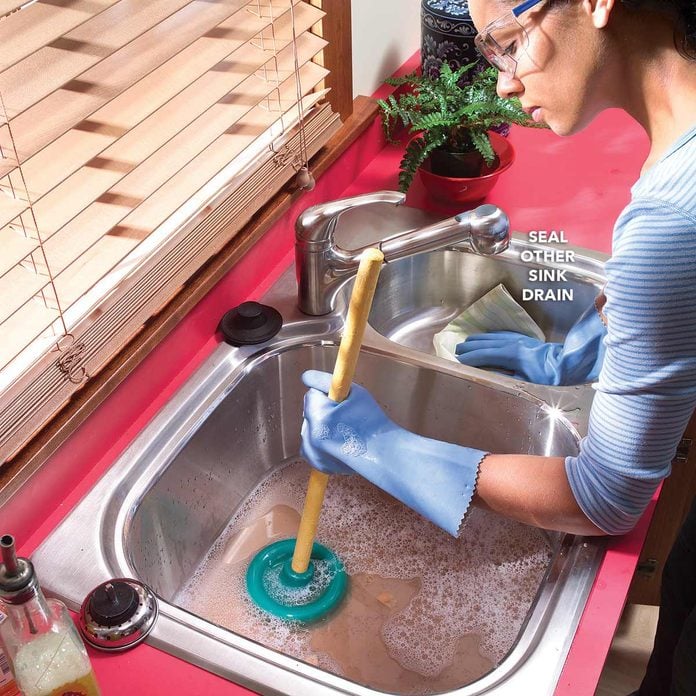
Credit: www.familyhandyman.com
Preventing Future Clogs
Preventing future clogs involves regular cleaning and mindful disposal habits. Avoid pouring grease and food scraps down the drain. Use a strainer to catch debris and run hot water weekly to clear potential blockages.
Preventing future clogs in your kitchen sink is essential. It saves time and prevents frustration. Simple habits can keep your pipes clear. A little effort goes a long way.Regular Maintenance Tips
Regular maintenance keeps your sink running smoothly. Flush your sink weekly with hot water. This helps dissolve any grease buildup. Use a natural drain cleaner monthly. Baking soda and vinegar work wonders. Pour half a cup of baking soda down the drain. Follow with a cup of vinegar. Let it fizz for a few minutes. Rinse with hot water. This simple routine helps prevent clogs.Proper Disposal Practices
Proper disposal practices are key. Avoid putting grease down the drain. Grease solidifies and clogs pipes. Instead, collect it in a container and dispose of it. Use a strainer in the sink. It catches food scraps and debris. Empty the strainer into the trash, not the sink. Be mindful of what you wash down. Avoid coffee grounds, eggshells, and fibrous vegetables. These items can cause stubborn clogs. Adopting these practices ensures a clog-free kitchen sink. Keep your plumbing hassle-free with these easy steps.Frequently Asked Questions
How Do You Clear A Clogged Kitchen Sink?
Use a plunger to dislodge the clog. Pour boiling water down the drain to dissolve debris. Mix baking soda and vinegar, then pour it in. Wait 15 minutes, then flush with hot water. If necessary, use a plumber’s snake for stubborn clogs.
Regular maintenance prevents future blockages.
How To Unclog A Severely Blocked Sink?
Use a plunger to create suction and dislodge the clog. Pour baking soda and vinegar, then flush with hot water. If still blocked, use a plumber’s snake to break up the obstruction. For persistent issues, consider contacting a professional plumber.
Regular maintenance helps prevent future blockages.
What Is The Most Common Cause Of Kitchen Sink Clogs?
Grease buildup is the most common cause of kitchen sink clogs. It solidifies and traps food particles, leading to blockages. Regularly cleaning your sink with hot water and dish soap can help prevent this issue. Avoid pouring grease down the drain to keep your pipes clear.
How Do I Fix The Water Backing Up In My Kitchen Sink?
Unclog your kitchen sink by using a plunger or drain snake. Pour baking soda and vinegar down the drain. Flush with hot water. If the problem persists, check the P-trap for blockages. Consider calling a plumber for persistent issues. Regular maintenance prevents future backups.
Conclusion
A clogged kitchen sink is frustrating, but solutions are simple. Start with basic methods like hot water or a plunger. These often clear minor blockages. For tougher clogs, consider baking soda and vinegar. This natural solution may help break down debris.
If problems persist, a plumber might be necessary. Regular maintenance prevents future clogs. Clean sink strainers and avoid pouring grease down the drain. Taking these steps ensures a smoothly running kitchen. Keep your sink clear and enjoy hassle-free cooking and cleaning.
Always be proactive to maintain a healthy plumbing system.

Similar Posts